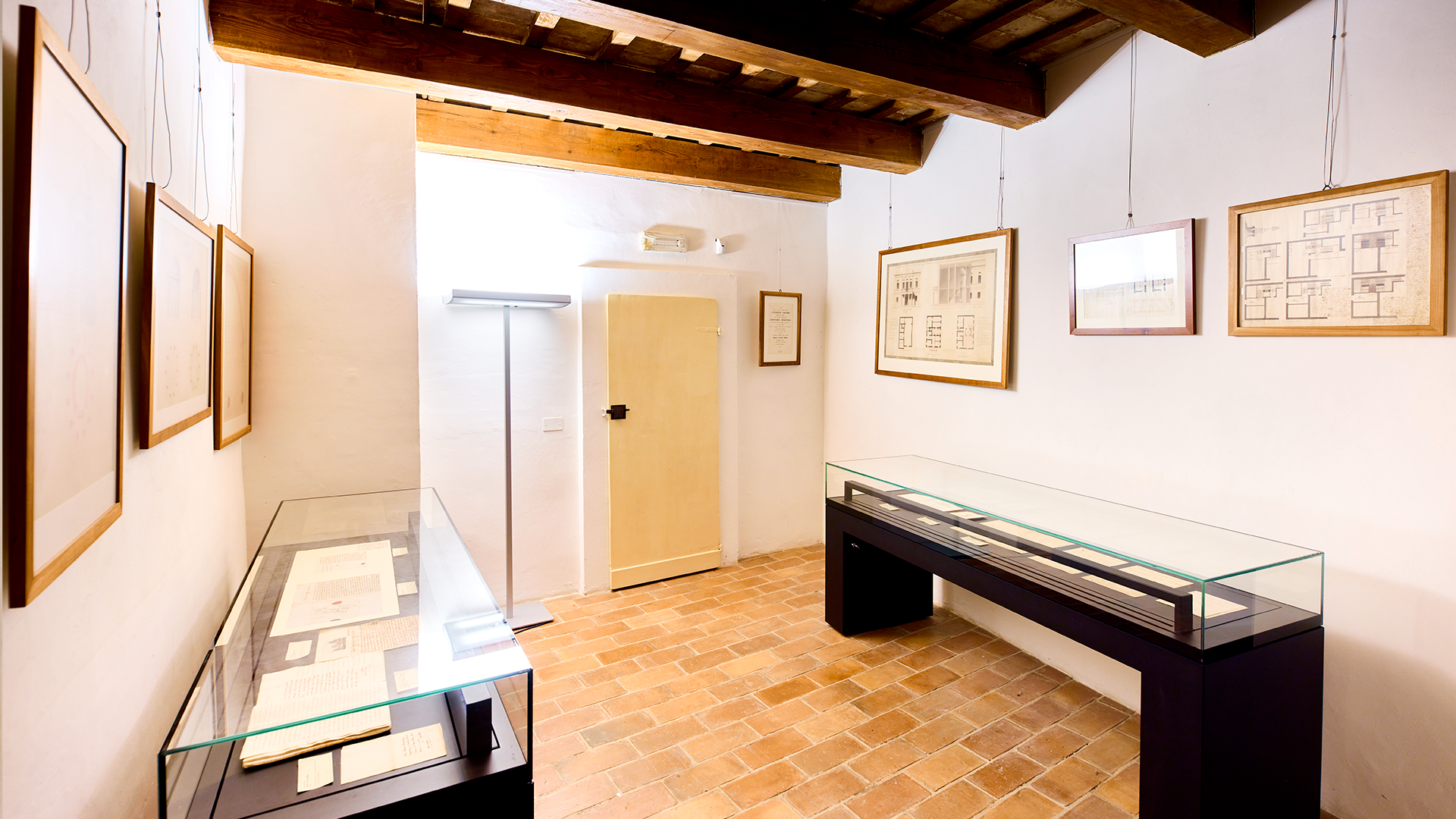
The last years of Spontini’s life can be described as his “philanthropic period”. The composer’s character was formed not only by his education but by a deeply religious and Christian spirit, combined with a sense of generosity, love for the humble and needy and compassion for others.
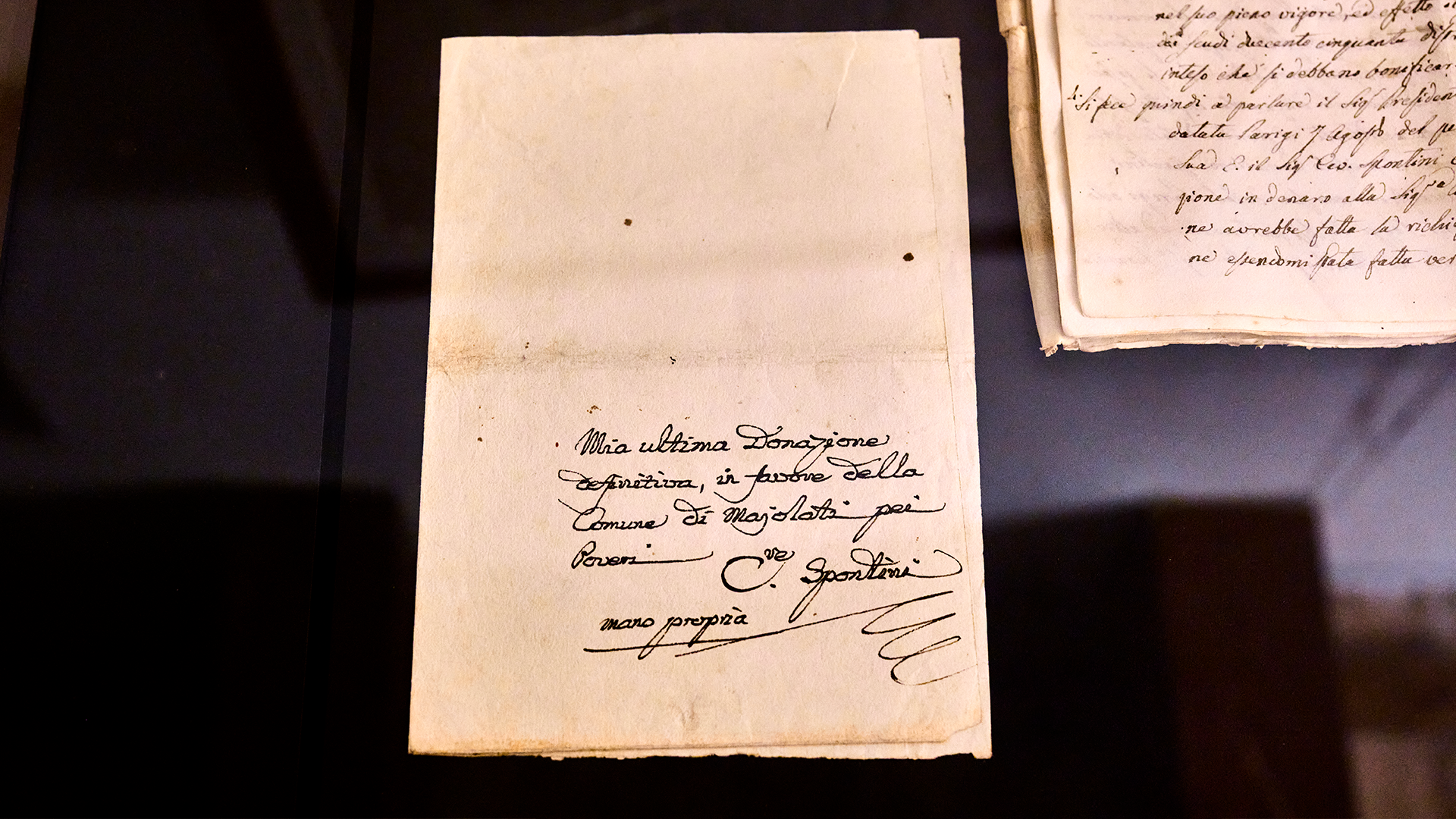
In 1838, after visiting Queen Victoria in England, he travelled first to Paris and then to Jesi, where he stayed for about forty days. During this period, he began his philanthropic programme. First he established a Monte di Pietà (pawnbroker’s office), then in 1841 he created the Scuola Pia d’educazione e d’insegnamento (School of Education and Teaching), known as the “Casa delle fanciulle” (House of Girls), to provide education for poor girls in Maiolati. He also wanted a charity hospice to be created, run by the Opere Pie, an organisation founded in 1843 with a deed of donation that left all its assets to the town to run charitable institutions even after his death.
This same building was included in the philanthropic project, destined to become the place reserved for the teachers. After Spontini’s death, in fact, the building not only housed Celeste during her stays in Maiolati after her return to France, but also became the headquarters of the Opere Pie administration. Until 1936 it also housed the Town Hall of Maiolati, which became Maiolati Spontini only in 1939.
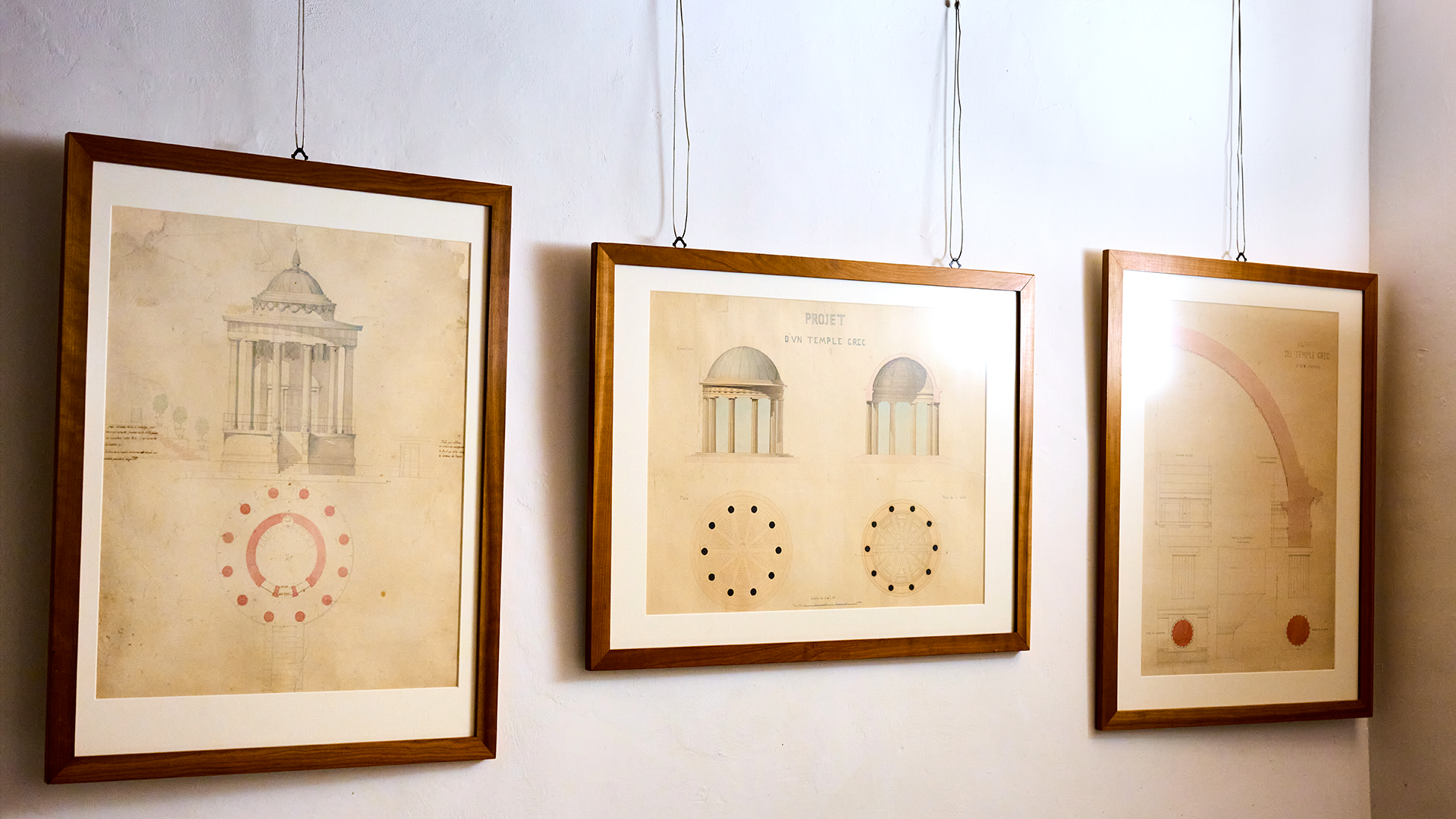
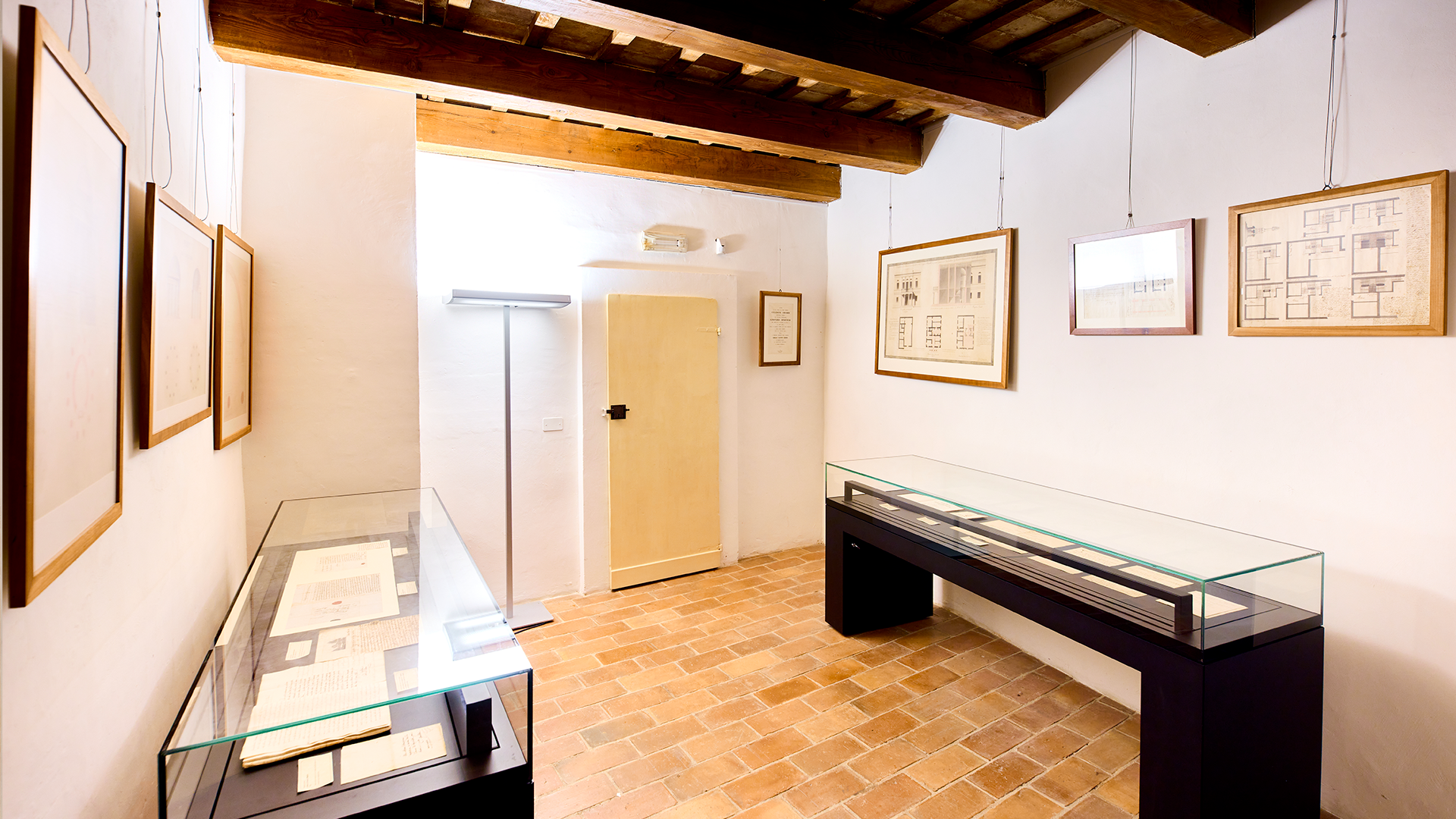
In 1951, on the centenary of the composer’s death, the house was transformed into a museum and, on the proposal of the Ministry of Education (by Decree of the President of the Republic No. 1092 of 19 June 195) it was declared a national monument.
Via Gaspere Spontini 15-17, 60030, AN
Last update: 13 Oct 2025