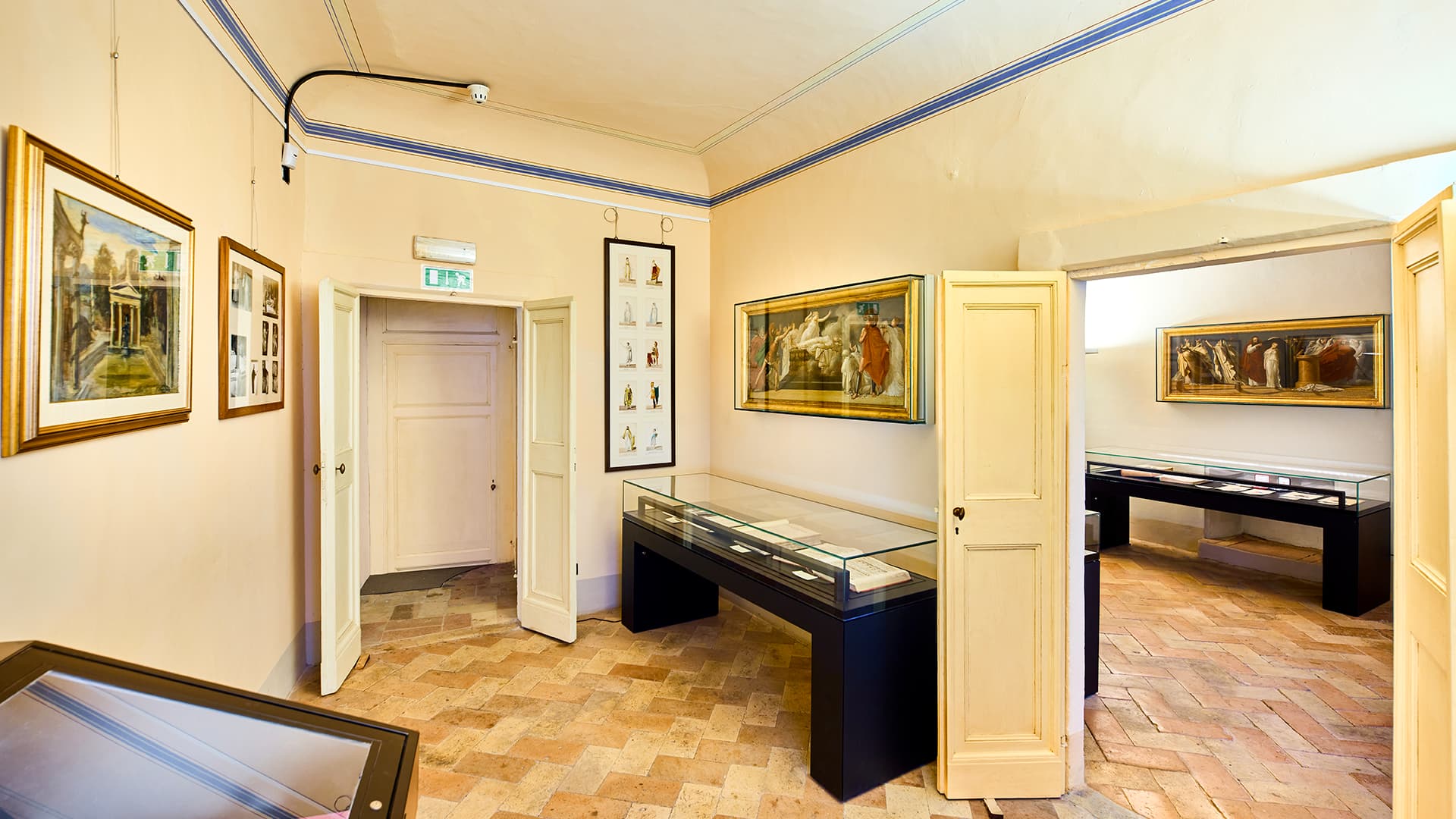
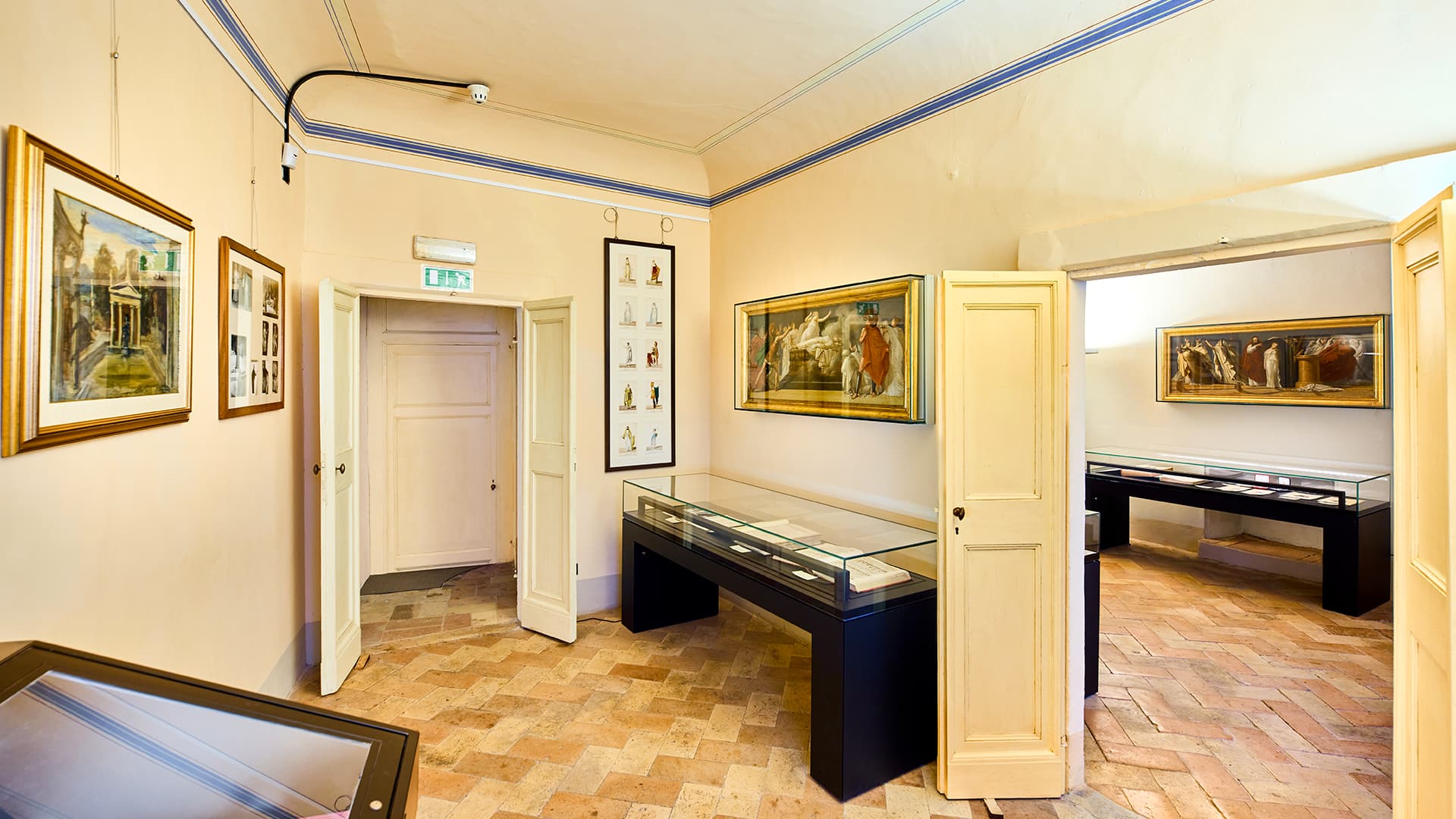
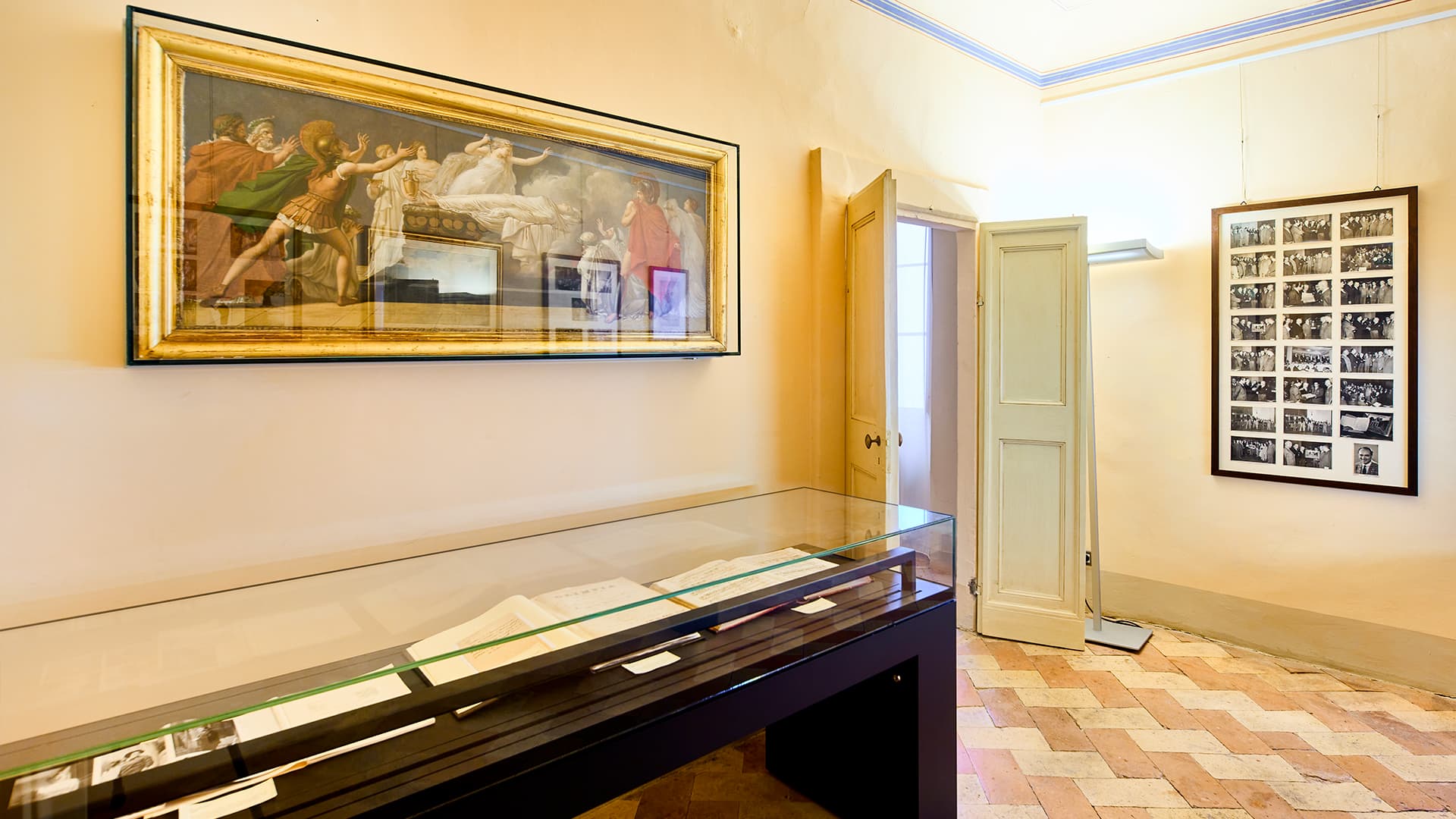
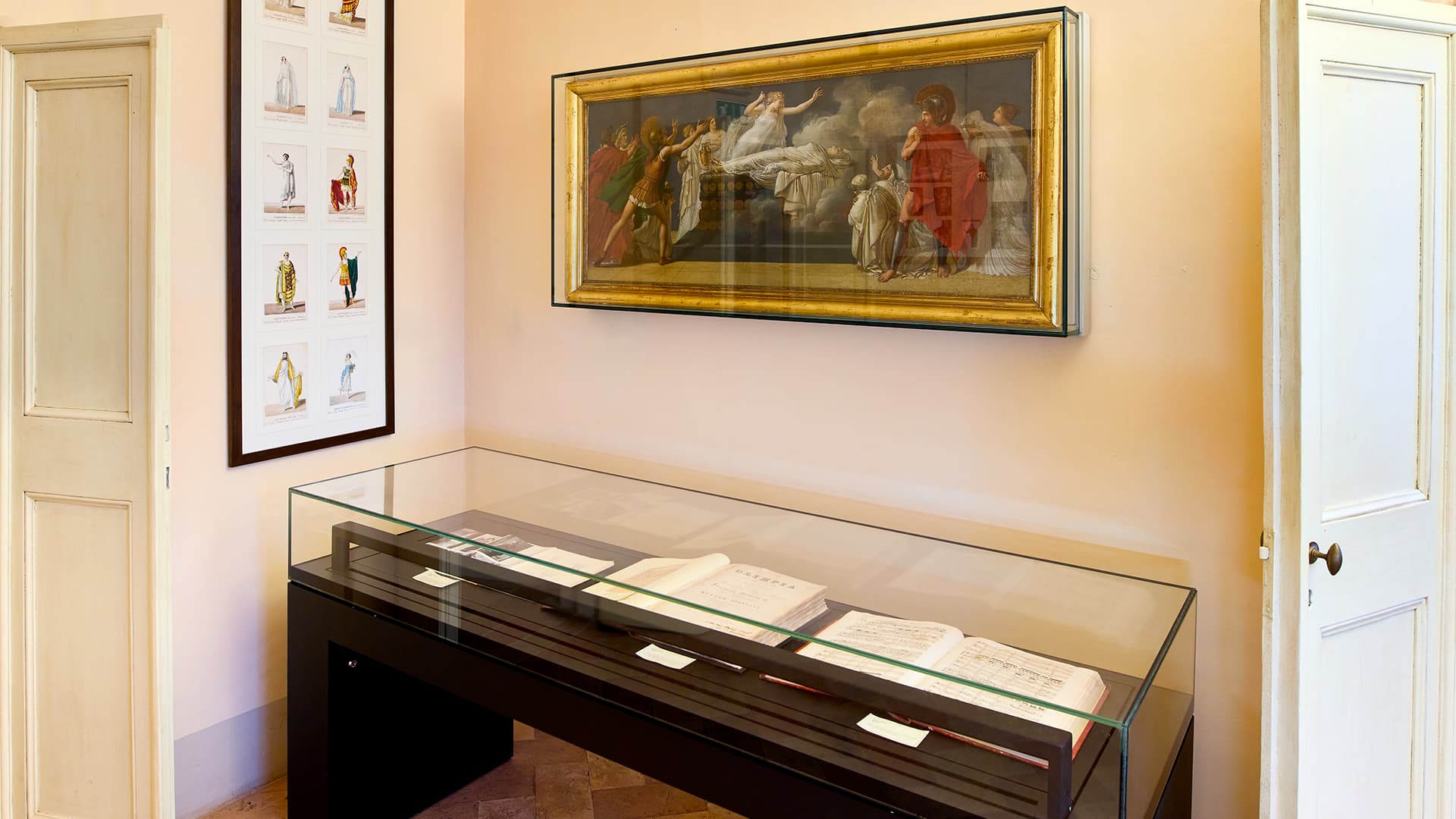
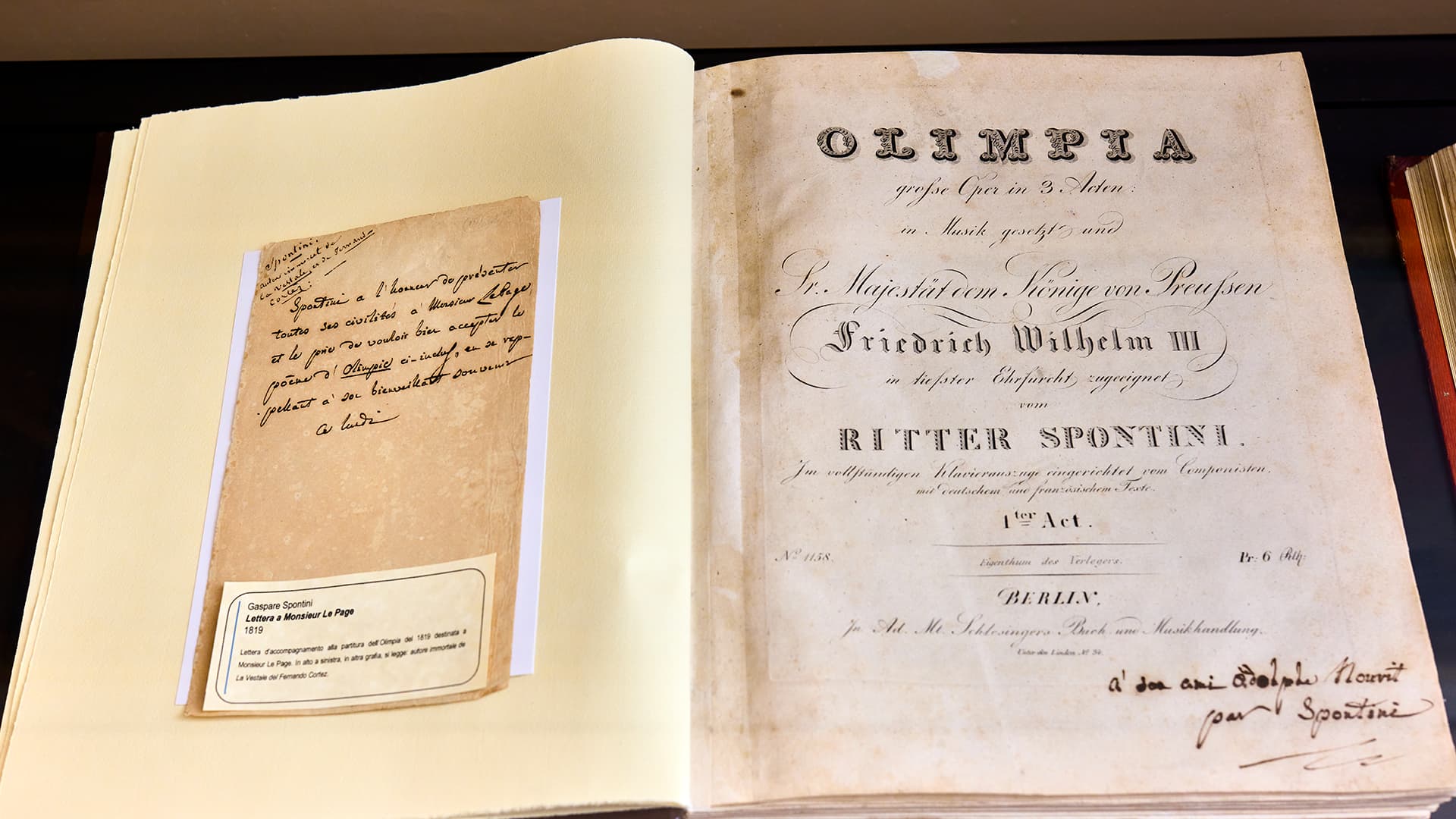
Spontini began work on Olympie in 1815, with a libretto based on a tragedy by Voltaire. The composer was very attached to the new opera: it was staged on 22 December 1819 at the Royal Academy of Music Theatre, but after only a few performances, it was suspended due to the assassination of the Duke of Berry, nephew of Louis XVIII. Spontini did not lose heart: he took advantage of the interruption to revise the opera and eliminate what the audience had liked least, namely the tragic ending with a double catastrophe. The new Olympie, with a happy ending, was dedicated to Frederick William III of Prussia and appeared in May 1821 on the stage in Berlin where Spontini had meanwhile moved, achieving great success. There in 1820 Spontini was appointed First Kapellmeister and was given the title of Generalmusikdirektor, giving him the responsibility for overseeing music generally.
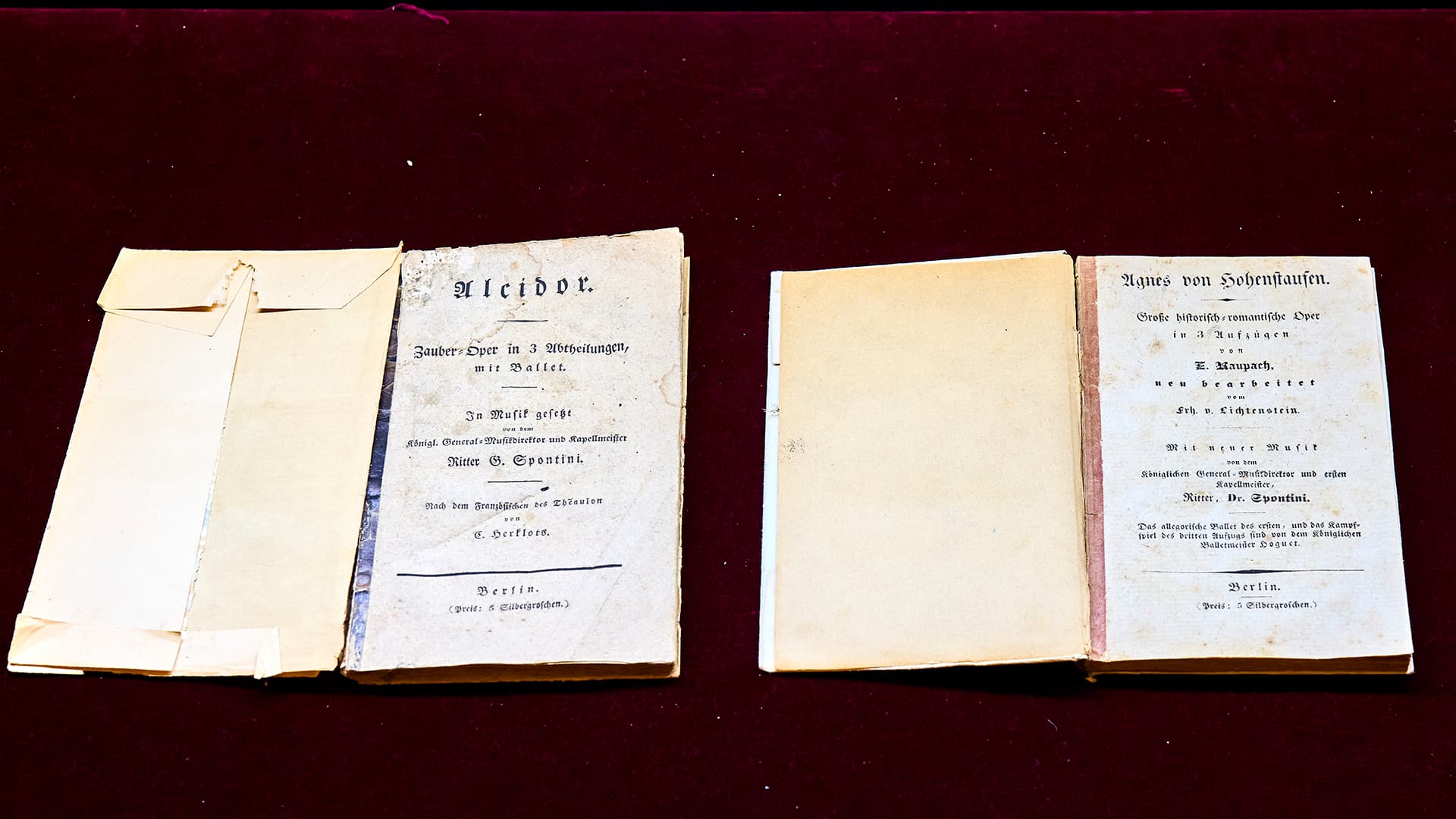
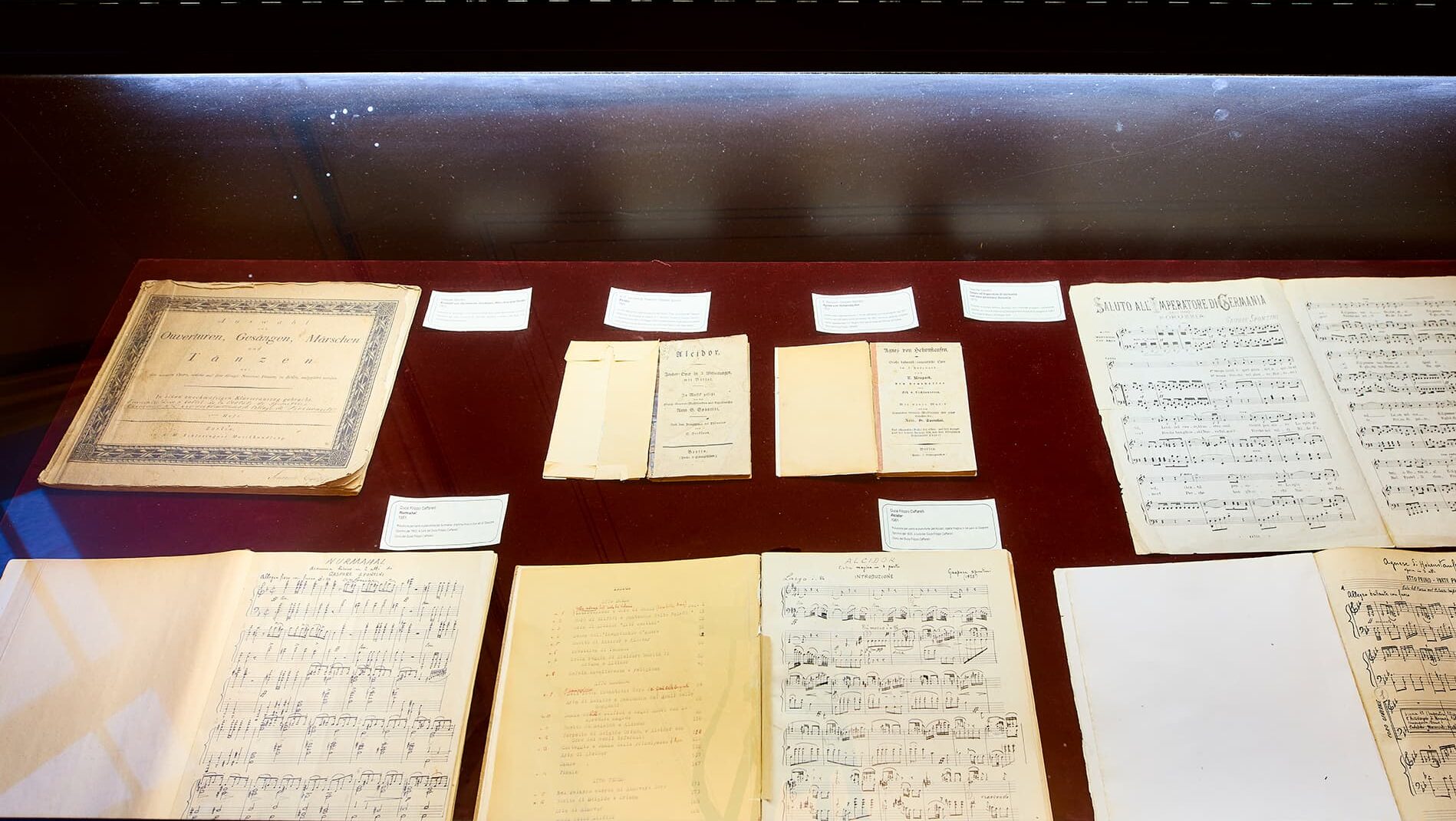
Among the works of his so-called Prussian period are Nurmahal and Alcidor. Agnes von Hohenstaufen was performed on 12 June 1829, reappearing in its final form on 6 December 1837, divided into three acts. Agnes von Hohenstaufen, considered by the musician to be his masterpiece, provided Wagner with a model and also paved the way for Italian and European melodrama. Some critics have pointed out that Agnes foreshadows Giuseppe Verdi’s major historical dramas such as Don Carlo.
Via Gaspere Spontini 15-17, 60030, AN
Last update: 13 Oct 2025